Energy Arbitrage
Charging during off-peak hours reduces fuel costs by up to 80% compared to internal combustion. This creates a predictable monthly utility profile rather than fluctuating pump prices.
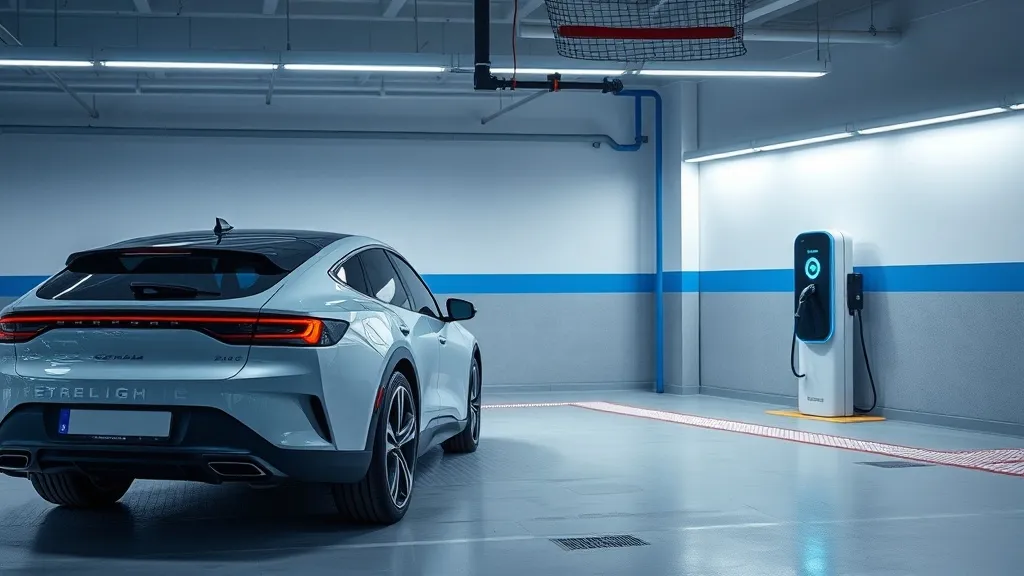
Transitioning to electric propulsion involves a shift from variable fuel expenses to fixed upfront capital. We analyze the depreciation curves and operational savings specific to the Ontario market.
Charging during off-peak hours reduces fuel costs by up to 80% compared to internal combustion. This creates a predictable monthly utility profile rather than fluctuating pump prices.
Eliminating oil changes, transmission repairs, and exhaust system maintenance significantly lowers the long-term cost of ownership. Brake wear is also reduced through regenerative systems.
Modern battery tech maintains higher capacity over time than previously estimated. Secondary market demand for used EVs is stabilizing, protecting the initial investment capital.
The iZEV program provides up to $5,000 for eligible new battery-electric or long-range plug-in hybrid vehicles. This incentive is applied directly at the point of sale, reducing the financed amount immediately.
Enterprises can leverage a 100% write-off for zero-emission vehicles in the first year of use. This accelerated capital cost allowance improves cash flow for small businesses in the Ottawa region.
Local initiatives often provide additional credits when trading in an older, high-emission vehicle for a zero-emission alternative. Check the current Ottawa Market Data for active local offers.
Evaluate electrical panel capacity and proximity to the parking area to minimize conduit runs.
Choose Level 2 equipment (240V) that supports smart scheduling to utilize Time-of-Use rates.
Secure necessary municipal permits and ESA inspections to ensure safety and insurance compliance.
Configure mobile apps for real-time monitoring of energy consumption and battery health metrics.
The battery pack represents the highest value component in an EV. Understanding its degradation rate—typically 1-2% per year—is vital for calculating long-term financing models. Proper thermal management and avoiding constant 100% state-of-charge cycles can extend usable life beyond 15 years.